October 29 by Lyn Pure
Process of Water Treatment Plants
Frequently Asked Questions (FAQ):
Why does water treatment matter for your business?
Because every thriving business runs on water, and the quality of that water determines whether your operations flourish or falter.
Think about it this way: a pharmaceutical company can't use the same water as a textile unit. A hotel's needs are completely different from a manufacturing facility's requirements. The treatment system you choose locks in your capacity, operational costs, and maintenance schedules for years to come. Get it wrong, and you're setting yourself up for frequent breakdowns, subpar water quality, and expenses that quietly drain your profits year after year.
What's the first step before installing any treatment system?
Know your water source inside and out.
You might be pulling from borewells or relying on municipal supply. Each source tells a different story. Groundwater in industrial zones? Expect high dissolved solids, iron, and hardness. Municipal water? You're dealing with chlorine and organic compounds. Near agricultural areas? Pesticide contamination enters the picture. This isn't a box-ticking exercise. Water quality can swing dramatically between summer and monsoon, especially in regions like Coimbatore and Tamil Nadu. Proper testing reveals pH levels, turbidity, total dissolved solids, hardness, bacterial content, and specific contaminants. This analysis becomes your foundation. Rush it, and everything built on top becomes shaky.
What actually goes inside a water treatment plant?
A systematic sequence where each stage prepares water for the next level of purification.
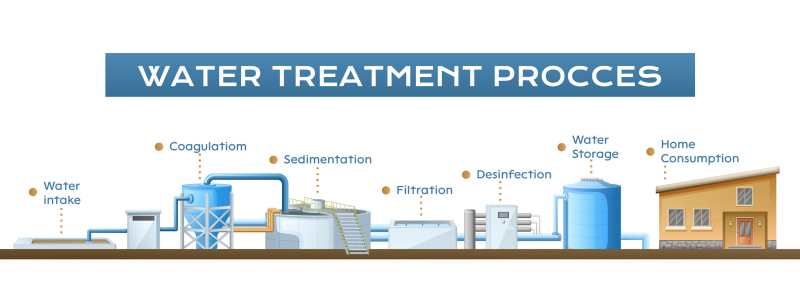
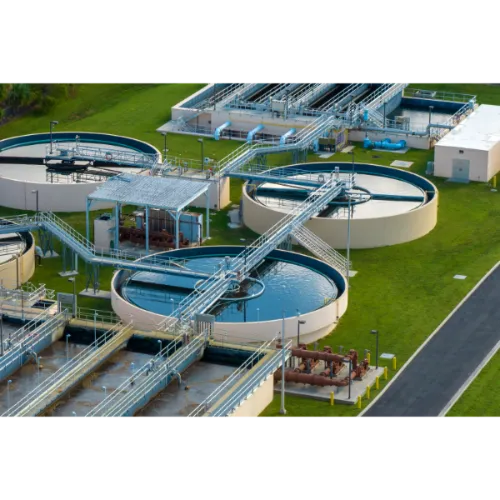
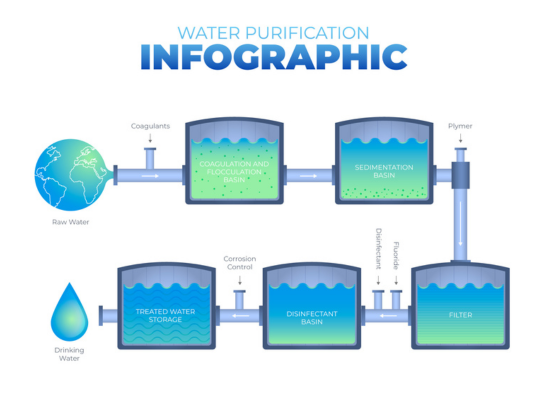
The intake system kicks things off with screens and strainers catching large debris like leaves, twigs, and rust particles from old pipes. You'd be surprised what flows through. Then comes clarification. Chemical dosing systems add coagulants that make tiny particles clump together into larger flocs. These settle out in clarifiers or float away in dissolved air flotation units.
Filtration follows with multi-media filters containing sand, gravel, and anthracite. Activated carbon filters handle chlorine and organic compounds. Need higher purity? Ultrafiltration or reverse osmosis stages join the lineup.
If you're evaluating treatment systems for your facility, understanding these components helps you ask the right questions. Explore how Lynpure customizes each treatment stage based on your specific water source and usage requirements.
How do commercial facilities approach water treatment differently?
They prioritize consistent quality for drinking and utility water, but at scales tailored to their operations.
Hotels, hospitals, and shopping malls often start with softening systems to tackle hard water. Ion exchange softeners swap calcium and magnesium ions for sodium. Guests notice better soap lathering, and fixtures last longer.
Many commercial facilities now place RO systems at the center, handling several thousand liters per hour for drinking fountains and food preparation. The trick is sizing for peak demand, not average consumption. Nobody wants water running out during busy hours.
Storage matters too. Most setups include elevated tanks holding at least half a day's consumption, plus booster pumps maintaining pressure across all floors.
What makes a treatment plant actually work long-term?
Smart process flow and built-in backup systems.
Engineers arrange treatment stages so gravity handles as much as possible, cutting pumping costs and energy use. Everything follows a logical sequence, minimizing piping runs and contamination risks.
For manufacturing units that can't afford downtime, redundancy becomes non-negotiable. Duplicate pumps, standby filters, and parallel treatment trains allow maintenance without shutting down operations.
Modern automation changes everything. Programmable controllers monitor quality in real time, adjusting chemical dosing automatically and flagging issues before they explode into problems. This means fewer manual interventions and consistent output quality throughout your operations.
How do specific industries use water treatment plants?
Each industry brings unique demands that fundamentally alter how treatment systems are configured.
Textile units need low hardness and minimal iron for dyeing processes. Color removal becomes critical for water recycling. Specialized oxidation and adsorption stages handle dye-laden wastewater.
Food processing facilities require stainless steel construction, sanitization systems, and bacterial monitoring. Everything must prevent contamination while meeting food safety regulations.
Pharmaceutical manufacturing takes purity to extremes. Multi-stage RO systems, electrodeionization units, and ultra-pure water generation become standard. Validated procedures run continuously with documentation satisfying regulatory requirements.
Power plants demand massive volumes for cooling and boiler feed. Treatment focuses on demineralization and deaeration, preventing corrosion in expensive turbine equipment.
Working with a treatment plant provider who understands your industry's specific challenges makes all the difference. Not sure what configuration suits your sector? Connect with specialists who've handled similar applications across Tamil Nadu's diverse industrial landscape.
What about waste and sustainability?
Modern treatment plants aim for zero liquid discharge, recycling every possible drop.
RO reject water goes to cooling towers or gardens. Filter backwash water undergoes treatment for reuse instead of disposal. In water-stressed regions, this isn't optional. It's survival.
Sludge handling requires careful planning. Treatment processes generate sludge with removed contaminants. Proper dewatering, conditioning, and disposal prevent environmental issues. Advanced facilities even extract value through composting or energy recovery.
Energy efficiency directly impacts your bottom line. Variable frequency drives on pumps, energy recovery devices in RO systems, and optimized sequencing cut operational expenses significantly. Smart systems consider total cost of ownership over the plant's lifetime, not just initial installation costs.
What challenges do businesses face with water treatment?
Space constraints, variable water quality, and seasonal changes top the list.
Urban commercial buildings need compact, vertical systems maximizing capacity within tight footprints. Industrial facilities handling fluctuating water quality require flexible treatment processes that adapt.
Seasonal variations demand systems capable of handling worst-case scenarios. What works during monsoon might fail during summer when groundwater quality deteriorates. Good treatment plants anticipate this and build in appropriate flexibility.
Environmental regulations shape everything. Discharge standards, noise limits, and safety requirements all influence equipment selection and plant layout. Working with teams who know local regulations ensures compliance from day one. If you're navigating these challenges in Coimbatore or surrounding areas, local expertise makes implementation smoother and ensures your plant meets all necessary standards.
Why does professional implementation matter?
Because generic solutions fail when reality hits.
Professional implementation involves detailed engineering calculations, equipment selection, piping layouts, electrical systems, and control strategies. Each plant needs customization based on specific requirements and constraints.
For complex applications, experienced providers run pilot studies on actual water samples before finalizing anything. This testing reduces risk and ensures the installed plant performs as expected. They also consider future expansion needs, building flexibility for capacity increases down the road.
Is investing in a quality treatment plant worth it?
A well-configured plant pays dividends through reliable operation and manageable costs for decades.
Cutting corners leads to operational nightmares and higher lifetime costs. Whether you're setting up new infrastructure, expanding operations, or upgrading aging systems, the right treatment plant separates businesses that merely function from ones that optimize water management.
The upfront investment saves money, reduces headaches, and ensures your business has the water quality it needs to succeed. If you're ready to explore what a customized treatment solution looks like for your facility, start with a water quality assessment. It's the foundation every successful installation is built on.
Water Treatment Solutions in Kovai Pudur, Coimbatore
Looking for a water treatment plant provider who understands local water challenges and delivers proven solutions?
Based in Kovai Pudur, Coimbatore, Lynpure brings years of specialized experience in designing and implementing water treatment plants across diverse industrial and commercial applications. What sets them apart is their approach to treating each project as unique, starting with comprehensive water quality testing and ending with systems that actually deliver on their promises.
Whether you're running a textile unit in Tiruppur dealing with hard water and dye contamination, managing a food processing facility in Erode that needs hygiene-compliant systems, or operating a hotel in Pollachi requiring consistent soft water for guest satisfaction, Lynpure tailors solutions to match your specific water source and operational demands.
Why do businesses across Coimbatore, Tiruppur, and Pollachi choose Lynpure?
Their treatment plants handle everything from basic softening and filtration to advanced RO systems and zero liquid discharge setups. The team understands regional water quality variations, whether it's the high TDS levels common in certain Coimbatore borewells, the seasonal fluctuations affecting Pollachi's groundwater, or the industrial wastewater challenges Tiruppur's textile sector faces daily.
What makes their service different?
Lynpure doesn't just install equipment and disappear. They conduct pilot studies on your actual water samples, ensuring the system works before final implementation. Their plants come with automation that reduces manual intervention, redundancy features that prevent costly downtime, and energy-efficient components that lower your operational expenses month after month.
From initial water testing to installation, commissioning, and ongoing support, Lynpure provides complete water treatment solutions that industrial and commercial facilities depend on. If your business in Coimbatore, Tiruppur, Erode, or Pollachi needs reliable water treatment that actually works for your specific situation, explore what a customized solution looks like for your facility.